Font problem? Add us to your favorites! Press (Ctrl-D) on your keyboard.
Keetru "மறந்து கொண்டே இருப்பது
 மக்களின் இயல்பு
 நினைவுபடுத்தித் தூண்டிக் கொண்டே
 இருப்பது எம் கடமை"
கீற்று பற்றி விவாதிக்க...
கருத்துக்களை பரிமாறிக் கொள்ள...
கீற்று வலைக் குழுமத்தில் சேரவும்.
Keetru Dalithmurasu
 width=
 width=ஜூன் 2009

இந்திய அணு உலைகள் - மக்களுக்கு எதிரான அரச பயங்கரவாதம்
அ. முத்துக்கிருஷ்ணன்

தமிழகத்தில் கடந்த ஓராண்டிற்கும் மேலாக, மின்சாரம் எப்பொழுது வருகிறது என்கிற தகவலை ஏறக்குறைய அனைவருமே கச்சிதமாய் தெரிந்து வைத்துள்ளனர். வீட்டில் மோட்டார் போட்டு தண்ணீரை ஏற்றுவது முதல் சிறுவர்கள் தொலைக்காட்சி நிகழ்ச்சிகளைப் பார்ப்பது வரை, எல்லாமே அட்டவணையாக மாறிப் போனது. ஏதோ சென்னை போன்ற நகரங்களுக்கு இதில் விதிவிலக்காக கொஞ்சம் இரக்கம் காட்டப்படுவதாகத் தெரிகிறது. இந்தப் பின்னணியில்தான் கடந்த சில ஆண்டுகளாக, இந்தியப் பொது மக்கள் முதல் நாடாளுமன்றத்தில் நடைபெற்ற கடும் விவாதங்கள் வரையிலும், பின்னர் நாடாளுமன்றத்தில் பெரும்பான்மை பலத்தை நிரூபிக்கும் சூழல் வரையிலும் அனைத்திற்கும் ஒரு விஷயமே காரணம். அது, இந்திய-அமெரிக்க அணுசக்தி ஒப்பந்தம்.
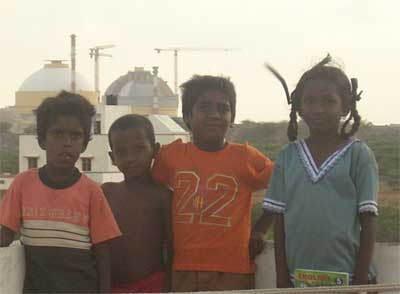
Koodankulam இந்த காலகட்டத்தில் நீங்கள் யாரிடம் வேண்டுமானாலும் சென்று, "இந்த ஒப்பந்தம் அடிமைத்தனமானது, இந்திய நலன்களும், உரிமைகளும் அமெரிக்க அடகுக் கடையில் அடமானம் வைக்கப்பட்டு விட்டன' என்று பேச முயன்றால் உடனே பலரிடமும் கிடைத்தது ஒரே பதில்தான்: “ஏங்க அப்ப மின்சாரமே உங்களுக்கு வேண்டாமா? நாட்டையே இருட்டாக வச்சிருக்கலாமுனு நினைக்கிறீங்களா? மின்சாரம் இல்லைனா எப்படி தொழில் பெருகும்-நாடுன்னா வளர்ச்சி வேண்டாமாங்க?'' அணு உலைகள் அமைத்து மின்சாரத் தட்டுப்பாட்டைப் போக்கும் கனவு, இன்று சாமானியர்கள் வரை எட்டியுள்ளது என்பது இதிலிருந்து நமக்கு கிடைக்கும் செய்தி.

இன்னும் ஒருபடி மேலே சென்று, “அட இந்த அணு உலை எல்லாம் வெறும் முகமூடி தாங்க. உண்மையான நோக்கம் அணுகுண்டு தயாரிப்பதற்கான கச்சா பொருள் தயாரிப்புதாங்க'' என்றால் அதற்கும் உடனே பதில் வரும்: “என்னங்க நாடுன்னா அணு ஆயுதம் வேண்டாமா? அணுகுண்டு வச்சிருந்தாதான் நாலு பய நம்ம நாட்ட மதிப்பான், பயப்படுவான்.'' இது, சாமானியரின் குரல் என்றால், வேறு ஒரு முக்கிய நபரின் வாக்குமூலத்தையும் கேளுங்கள். மும்பை தாக்குதல்கள் நிகழ்ந்து நாடு ஒருவித கொதி நிலையில் இருந்த சம காலத்தில் பத்திரிகை பேட்டியாக இது அளிக்கப்பட்டது : “பாகிஸ்தானுடன் இன்றைய சூழ்நிலையில் போர் ஏற்பட்டால், அது கண்டிப்பாக ஓர் அணு ஆயுதப் போராகவே இருக்கும். பேய்களை ஒழிக்க வேறு வழி இல்லை. ஆனால் என்னால் ஒன்றை மட்டும் உறுதியாகக் கூற முடியும். இந்த பேரழிவுக்குப்பின் ஒரு புதிய உலகம் மலரும். அது மிகவும் அற்புதமாகத் திகழும். அங்கே தீயவர்கள், தீவிரவாதிகள் இருக்க மாட்டார்கள்.'' இது வேறு யாரும் இல்லை, ஆர்.எஸ்.எஸ். பாசிச அமைப்பின் "சர்சங்சலக்' கே.எஸ். சுதர்சன் அளித்துள்ள பேட்டி.

1948 இல் அணு சக்தி கழகம் அமைக்கப்பட்டது. அது பின்னர் 1954இல் அணு சக்தித் துறையாக உயர்வு பெற்றது. அது முதல் அணு ஆற்றலை நன்மைக்கும் அமைதிக் கும் பயன்படுத்துவது என்கிற நோக்குடன் தன் பணியை அக்கழகம் தொடங்கியது. 1987இல் இத்துறை சார்பில் 25 ஆயிரம் மெகாவாட் மின்சாரத்தை உற்பத்தி செய்வோம் என்ற முழக்கம் பெரிதாக ஒலித்தது. 2000 ஆம் ஆண்டில் அது 45 ஆயிரம் மெகா வாட்டை எட்டிப் பிடிக்கும் என திருத்தப்பட்டது. இப்பொழுது அது மீண்டும் புதிய ஒப்பனையுடன் 2020 இல் 20 ஆயிரம் மெகாவாட் என்று கூறுகிறது. 1998-99 ஆம் ஆண்டில் நம் நாட்டின் மொத்த மின் உற்பத்தி சுமார் 90 ஆயிரம் மெகாவாட். இதில் அணு உலைகளிலிருந்து பெறப்பட்டவை வெறும் 1840 மெகாவாட் மட்டுமே. வேறு வார்த்தைகளில் சொன்னால், அது 2 சதவிகிதம் மட்டுமே. 2000 இல் அது 3 சதவிகிதமாக மட்டுமே உயர்ந்துள்ளது.

இந்தியாவில் தற்பொழுது 14 அணு உலைகள் இயங்கி வருகின்றன. அதில் ஓர் உலை கூட அதன் அடைவு நிலையை எட்டியதில்லை. தாராப்பூர், கல்பாக்கம், நரோரோ, காக்ராபர், கைகா ஆகிய இடங்களில் தலா இரண்டு அணு உலைகளும் ராவத்பாட்டாவில் நான்கு உலைகளும் அமைக்கப்பட்டுள்ளன. பல தொடர் தொழில்நுட்பக் கோளாறுகள் இருப்பதால் தான் அடைவு நிலையை எட்ட இயலவில்லை என வெளிப்படையாகவே முன்னாள் கப்பற்படைத் தளபதி டாக்டர் பி.கே. சுப்பாராவ் தெரிவிக்கிறார். நாம் மிக எளிதாக இன்று அனல் மின் நிலையம், நீர் மின் நிலையம் மற்றும் காற்றாலைகளின் மூலம் பெறப்படும் மின்சாரத்தின் அளவையும், அதற்கு அரசு செய்யும் செலவையும், அணு உலைகளுக்கும் அரசு செலவிட்டுள்ள பெருந்தொகைகளுடன் ஒப்பிட்டால் உண்மை விளங்கும். அணு உலைகளுக்காக மத்திய அரசு கணக்கிட முடியாத அளவுக்கு அரசு வருவாயை இழந்துள்ளது. இப்பொழுது அவர்கள் 2020 இல் 20,000 மெகாவாட் என்று சொல்லும்போதுகூட அதற்கான செலவை அறிவிக்க மறுக்கிறார்கள். ஆனால் நிபுணர்கள் அதனை 80 ஆயிரம் கோடி ரூபாய் என்று கணக்கிடுகிறார்கள்.

இத்தனைப் பெரும் தொகையை அரசால் இன்று ஒதுக்க இயலாது என்பதற்காகவே 1962 இல் இயற்றப்பட்ட அணுசக்தி சட்டத்தை இப்பொழுது ஒரு பெரிய குழு திருத்தம் செய்யும் வேலையில் இறங்கி யுள்ளது. இந்தத் திருத்தம் மிகவும் ஆபத்தான நோக்கம் கொண்டது. முதன் முறையாக அணு உலைகள் அமைப்பதில் தனியாருக்கு அனுமதியளிக்க ஏற்பாடுகள் நடந்து வருகின்றன. அமெரிக்க, பிரான்ஸ் நாட்டு நிறுவனங்கள் அணு உலை அமைப்பதற்கான பேச்சு வார்த்தைகளைத் தொடங்கி யுள்ளன. பிரான்சின் அர்வேரா (அணூதிஞுணூச்) நிறுவனம், மகாராட்டிர மாநிலத்தின் ஜைத்தா பூரில் ஆறு அணு உலைகளை அமைக்க இருக் கிறது. அந்த நிறுவனத்திற்கு ஆஸ்திரேலியா, கஜகஸ்தான், நைஜீரியா ஆகிய நாடுகளில் சொந்தமான யுரேனிய சுரங்கங்கள் உள்ளன. கூடங்குளத்தில் மொத்தம் 8 அணு உலைகள் அமைக்க ரஷ்யா இசைவு தெரிவித்துள்ளது. மேற்கு வங்கம் ஹரிப்பூரில் அமெரிக்க நிறுவனம் அணு உலைகள் அமைக்க இருக்கிறது. இவை தவிர குஜராத்தில் மீதிவிதீ, ஒரிசாவில் பிட்டீ சொனாப்பூர், ஆந்திராவில் கோவாடா, மகாராட்டிரத்தின் மாத்பன் என இந்தியாவில் திரும்பிய பக்கம் எல்லாம் இனி அணு உலைகள்தான். மேற்குலக நாடுகள் கடந்த 25 ஆண்டுகளாக அணு உலைகளுக்கு மூடுவிழா நடத்திவிட்டு, அவை அனைத்தையும் மெல்ல மூன்றாம் உலக நாடுகளின் தலையில் கட்டும் பணியை தீவிரமாக செய்து வருகின்றன.

இத்தனை அணு உலைகளை அமைக்கும் அதே வேளையில், இவை அனைத்தையும் எத்தகைய ஜனநாயக நடைமுறையையும் பின்பற்றாமல், ஒரு சர்வாதிகார நடைமுறையில் மிகத் துரிதமாக அதிகார வர்க்கம் தன் மனம் போன போக்கில் செயல்படுகிறது. இதில் அரசியல் கட்சிகள் முதல் அப்பகுதி பொது மக்கள் வரை எவரும் ஆலோசிக்கப்படுவதில்லை. மக்கள் கருத்தாய்வு என்கிற நடைமுறைகள் கூட காவல் துறையின் தடிகளின் நிழலில் நடத்தப்படும் நாடகமாக மாறிப் போய் விட்டன. சுற்றுச் சூழல் மதிப்பாய்வு அறிக்கை என்பதுகூட, நாடாளுமன்றம் முதல் சாமானிய மக்கள் வரையிலும் நாட்டில் எவரிடமும் பகிர்ந்து கொள்ளப்படுவதில்லை. இந்த அணு உலைகள் குறித்த சாதாரண தகவல்களைக்கூட நீங்கள் தகவல் பெறும் உரிமைச் சட்டத்தின் கீழ் பெற முடியாது. அத்தகைய ஆபத்தான சட்டமாக, அரசமைப்புச் சட்டத்தின் அடிப்படைக்கே எதிராக இந்த 1962 அணு சக்தி சட்டம் விளங்குகிறது.

ஆனால் இந்தியா போன்ற ஒரு நாட்டில் எந்தப் பாதுகாப்பு நடவடிக்கைகளும் பின்பற்றப்படாத சூழலில், மக்கள் இந்த தகவல்களைப் பெறுவது மிகவும் அவசியமாகிறது. அதனை அவர் களுக்கு அளிப்பது அரசின் ஜனநாயகக் கடமையே அன்றி வேறு அல்ல. இந்நாட்டின் அரசியல் கட்சிகளுக்கு இப்படியான விஷயங்களில் எந்த அக்கறையும் இல்லை. இடதுசாரிகளைப் பொருத்த வரை, அவர்கள் அணு ஆயுதத்திற்கு எதிரானவர்களாகத் தங்களை முன்னிறுத்துகிறார்கள்; ஆனால் அணு உலைகள் அமைப்பதை ஆதரிக்கிறார்கள். இருப்பினும் அணு உலையை ஆதரிக்கிறவர்கள் கூட, அந்தப் பகுதியில் பூர்வக்குடிகளாக வாழ்பவர்களின் இடப்பெயர்வு, பாதுகாப்பு போன்ற முக்கியமான விஷயங்களில் தலையிடாதது பெரும் முரண்பாடாகவே இருக்கிறது.

கடற்கரை ஒழுங்குச் சட்டம், கடற்கரைப் பாதுகாப்பு சட்டம் என பல சட்டங்கள் கொண்டு வரப்பட்டன. அதன்படி, கடற்கரையிலிருந்து 500 மீட்டர் பகுதிக்குள் மனிதர்கள் வசிப்பது, வணிக நடவடிக்கைகள் என அனைத்தையும் அது தடை செய்தது. ஆனால் இவற்றுக்கு நேர் மாறாக, தமிழகத்தில் இரு உலைகளும் கடற்கரை அருகிலேயே அமைந்துள்ளன. இப்பொழுது அமையவிருக்கும் பல அணு உலைகளும் இதே வகையில்தான் திட்டமிடப்பட்டுள்ளன. இந்த கடற்கரை சார் சட்டங்கள் உள்நோக்கம் கொண்டவையாகவே இருக்கின்றன. கடல் சார் மக்களை அப்புறப்படுத்திவிட்டு அங்கு வெளிநாட்டு சுற்றுலா பயணிகளுக்கும், உள்ளூர் மேல்தட்டு மக்களுக்கும் சொகுசான தங்கும் விடுதிகள், கேளிக்கைத் தளங்கள் அமைப்பது என பெரும் அநீதி அரங்கேறி வருகிறது. மேலும், கிராமங்களை அப்புறப்படுத்திவிட்டு அங்குள்ள மோனோசைட், தோரியம், செர்டியம், கார்நெட், ரூடைல், இல்மெனைட் போன்ற தாதுக்களை, கனிமங்களை அறுவடை செய்யும் நோக்கம் இருப்பதாகவும் தெரிகிறது.

2004இல் தமிழகத்தில் ஏற்பட்ட ஆழிப்பேரலை ஏற்படுத்திய இழப்பு மிகக் கொடூரமானது. அதுவும் குறிப்பாக கல்பாக்கம் உலையில் ஏற்பட்ட பாதிப்புகளைப் பற்றி எஸ்.பி. உதயக்குமார் "தெகல்கா' வார இதழில் "கதிர் வீச்சு சுனாமி' என்றொரு கட்டுரை எழுதினார். அது, ஆழிப்பேரலை ஏற்படுத்திய பாதிப்புகளை வெளிச்சம் போட்டுக் காட்டியது. உலகம் முழுவதும் உள்ள முக்கிய அணு விஞ்ஞானிகள் பலர் இது குறித்து கவலை தெரிவித்தனர். கல்பாக்கத்தில் செர்னோபில் அளவுக்கு ஒரு பெரும் விபத்து நடைபெறுவதற்கான பல வாய்ப்புகள் இருந்ததாக அவர்கள் தெரிவித்தனர். இத்தகு ஆபத்துகளை எல்லாம் உணர்ந்த இந்திய பிரதமர், உடனே அணு சக்தி கழகத் தலைவர் அனில் ககோட்கரை விரைவாக கல்பாக்கத்துக்கு அனுப்பினார். வெளிநாட்டு நிபுணர்கள் அவசர கதியில் வரவழைக்கப்பட்டனர். ராணுவம் களமிறங்கியது. அங்கிருந்து 15 ஆயிரம் பேர் அசுர வேகத்தில் வெளியேற்றப்பட்டனர். அங்கு பணிபுரிந்த ஒப்பந்த ஊழியர்களில் 200–300 பேரை காணவில்லை என தகவல்கள் கசிந்தன. மத்திய தொழிற்சாலை பாதுகாப்புப் படையினர் சிலர் கூட அலையில் அடித்துச் செல்லப்பட்டனர். கல்பாக்கம் தொலைபேசி நிலையம் மூழ்கிய தால் அனைத்து தொலைபேசிகளும் செயல் இழந்தன. தனியார் கைபேசிகள் மட்டுமே அப்பொழுது இயங்கின.

அங்கு பொதுவாக தரையில் குவிக்கப்படும் மென் கதிர் வீச்சுடைய கழிவுகள் அனைத்தையும் கடல் அலை அடித்துச் சென்று விட்டதாக விஞ்ஞானி வி.டி. பத்மநாபன் மிகுந்த கவலையுடன் தெரிவிக்கிறார். இந்த மென் கதிர்வீச்சு கழிவுகள் நிலத்தடி நீரிலும், கடலில் உள்ள மீன்கள் உண்டு, அதன் வழியாக மனித உடலை கதிர்வீச்சு வந்தடையும். இது, பலவித நோய்கள் முதல் விதவிதமான புற்றுநோய் வரை ஏற்படுத்த காரணமாக அமையும். ஏற்கனவே கல்பாக்கம் சுற்று வட்டாரத்தில் பல கிராமங்களில் உள்ள புற்று நோய்கள் குறித்து வி.டி. பத்மநாபன் பல ஆய்வுக் கட்டுரை களை தீவிர கள ஆய்வின் அடிப்படையில் எழுதியுள்ளõர்.

1953 இல் அமெரிக்காவின் அல்பன்-ட்ராயி என்ற இடத்தில் பெரும் விபத்து ஒன்று ஏற்பட்டது. அங்கிருந்த அணு உலையில் தேக்கி வைக்கப்பட்டிருந்த 2 லட்சம் லிட்டர் கதிர்வீச்சுக் கழிவு மிசிசிப்பி ஆற்றில் கலந்தது. அது அந்த ஆற்றின் மொத்த நீளத்திற்கும் படுகைகளை நாசப்படுத்தியது. 1971இல் கூர்க்ஸ் அணு உலை முற்றாக தண்ணீரில் மூழ்கியது. இன்றும் கூட உலகில் 10 அணு உலைகளும், 50 அணுகுண்டு பொருத்தப்பட்ட ஏவுகணைகளும் கடற்கரைகளில் மிகவும் ஆபத்தான சூழலில் உள்ளதாக "கிரீன் பீஸ்' அமைப்பு தனது அறிக்கையில் தெரிவிக்கிறது.

மறுபுறம் ரஷ்யாவின் செர்னோபில் விபத்து, நவீன வரலாற்றின் முக்கிய நிகழ்வாக மாறிப்போனது. 1986 ஏப்ரல் 25 அன்று உக்கிரைன் பிரதேசத்திற்கே ஒரு துயர நாளாக நிலைத்து நிற்கிறது. விபத்து நடந்தவுடன் 93 ஆயிரம் பேர் இறந்தனர். அடுத்த சில ஆண்டுகளில் மட்டும் ரஷ்யாவில் 60 ஆயிரம் பேரும், ÷பலாரஸ் பகுதியில் 1 லட்சத்து 40 ஆயிரம் பேரும் சடலங்களாக மாறினர். அங்கிருந்து 2000 மைல் தொலைவில் சுவீடன் நாட்டில் ஆயிரக்கணக்கான மான்கள் செத்து மடிந்தன. மொத்தம் 25 லட்சம் பேர் பாதிக்கப்பட்டனர். இந்த வரலாற்று நிகழ்வுகள் மனித இனத்திற்கே பல ஆழமான படிப்பிடினைகளை வழங்குகிறது. ஆனால் அரசதிகாரம் மட்டும் இவைகளிலிருந்து பாடம் கற்க மறுக்கிறது. பாதுகாப்பு ஏற்பாடுகள் மிகத் தீவிரமாகக் கடைப்பிடிக்கப்பட்ட நாடுகளே பல விபத்துக்களை சந்திக்க நேரும்பொழுது, மூன்றாம் உலக நாடுகள் குறிப்பாக இந்தியாவின் நிலையைப் பற்றி யோசிக்கக்கூட மனம் தயங்குகிறது. இவற்றின் அடிப்படையில்தான் குறைந்தபட்சமாக பாதுகாப்பு சார்ந்த ஏற்பாடுகளையேனும் முறையாக செய்ய வேண்டிய தேவை எழுகிறது.

பொதுவாக, ஓர் அணு உலையின் மய்யக் குவியலிலிருந்து (Stack) 1.6 கிலோ மீட்டர் வரையிலான இடத்தை விலக்கல் பகுதி (Exclusion Zone) என்கிறார்கள். இந்தப் பகுதியில் உலை தவிர்த்த வேறு எந்த நடவடிக்கையும் இருக்கக் கூடாது. அதே போல் 5 கிலோ மீட்டர் வரையிலான பகுதியை பாதுகாப்பான பகுதி (Sterile zone) என்கிறார்கள். இந்தப் பகுதி மனிதர்கள் வசிக்க லாயக்கற்றது. கதிர்வீச்சு ஆபத்திலிருந்தும் ஒரு விபத்துச் சூழலில் உடனே மக்களை வெளியேற்ற இப்படியான பல பாதுகாப்பு நடை முறைகள் வகுக்கப்பட்டுள்ளன. ஆனால் நடைமுறையில் இப்படியான எதுவும் கடைப்பிடிக்கப்படுவதில்லை. ஒப்பந்தத் தொழிலாளர்கள் அணு உலையிலிருந்து 300-400 மீட்டர் தொலைவில்கூட வசிப்பிடமாக தற்காலிக கொட்டகைகள் அமைத்து வாழ்கிறார்கள் தமிழகத்தில் கல்பாக்கம், கூடங்குளம் வழியாக சென்றவர்களுக்கு அது துல்லியமாக விளங்கும். அருகில் உள்ள கூடங்குளத்தின் மக்கள் தொகை 25 ஆயிரம், இடிந்த கரையின் மக்கள் தொகை சுமார் 15 ஆயிரம். இது தவிர மனவாளக்குறிச்சி, சின்னவிளை, பெரியவிளை, மந்தைக்காடு புதூர், பரப்பற்× என பல கிராமங்கள் அணுமின் நிலையத்திற்கு மிக அருகில் உள்ளன. கன்னியாகுமரியை சுற்றிப் பார்க்க ஆயிரக்கணக்கில் மக்கள் நாள்தோறும் வந்து செல்கிறார்கள். இதில் விவேகானந்தரும் திருவள்ளுவரும் விலக்கல்ல.

அமெரிக்காவுடன் செய்து கொண்ட அடிமை சாசன ஒப்பந்தத்தால், இனி இந்திய அணுசக்தி துறை தனது தலைமை அலுவலகத்தை வாஷிங்டனுக்கு மாற்றியாகிவிட்டது. கடும் விதிமுறைகளில் இனி நம்மால் உண்மையாகவே ஓர் அணுவைக்கூட அசைக்க இயலாது. இனி ஒரு சிறு அணு சோதனையை நடத்தினால்கூட, மொத்த அணு உலைக்கான எரிபொருளும் நிறுத்தப்படும். கழிவுகளை சுத்திகரிக்கும் தொழில்நுட்பம் இந்தியாவுக்கு வழங்கப்பட மாட்டாது என பல சுருக்கு கயிறுகள் நம்மை இறுக்கவே செய்கின்றன. இருப்பினும் இந்தியா வசம் இப்பொழுது நூற்றுக்கும் மேற்பட்ட அணுகுண்டுகள் தயார் நிலையில் உள்ளன. அவை ஏவுகணைகளில் பொருத்தப்படாமல் பிரித்துதான் வைக்கப்பட்டுள்ளனவாம். இது தவிர்த்து 1000 அணு குண்டுகளுக்கான கச்சா பொருளை இந்தியா தன் கைவசம் வைத்துக் கொண்டுதான் அணு ஒப்பந்தத்தில் கையொப்பம் இட்டதாக சிலர் மார்தட்டிக் கொள்கிறார்கள்.

இந்த அணு ஆயுத அந்தஸ்தை (?) அடைய நாம் எத்தகைய விலைகளை கொடுத்துள்ளோம். நாடு முழுவதிலும் யுரேனிய சுரங்கங்கள் உள்ள பகுதிகள்-சுத்திகரிப்பு ஆலைகள், அணு உலையை சுற்றியுள்ள பகுதிகள் என நாடெங்கும் விளிம்பு நிலை மக்கள் லட்சக்கணக்கில் கடுமையான பாதிப்புகளுக்கு ஆளாகியுள்ளனர். புற்று நோய், உருச்சிதைந்த குழந்தைகள் பிறப்பது, எந்த அறிகுறியும் இல்லாமல் கருச்சிதைவு, குழந்தைகள் வித வித ஊனங்களுடன் பிறப்பது என சகிக்க முடியா துரயங்களும் அவலங்களும் முடிவற்று நீள்கின்றன. இதைவிட முக்கியமான செய்தி என்னவென்றால், அணு உலை விபத்து அல்லது கதிர் வீச்சினால் ஏற்படும் பாதிப்புகள் மற்றும் நோய்களுக்கு ஆயுள் காப்பீட்டுக் கழகம் முதல் தனியார் காப்பீட்டு நிறுவனங்கள் வரை எவரும் இழப்பீடு வழங்குவதில்லை. அணு தொடர்புடைய அனைத்தும் மர்மமாகவே உள்ளன.

இந்தச் சூழலில்தான் 2009 சூன் மாதம் 4, 5, 6 நாட்களில் கன்னியாகுமரியில் ஒரு தேசிய அளவிலான கலந்தாய்வு மற்றும் மாநாடு நடைபெற்றது (National Convention on The Politics of Nuclear Energy and Resistance). இதனை "அணு ஆற்றலுக்கு எதிரான மக்கள் இயக்கம்' மற்றும் தில்லியில் உள்ள "அணு ஆயுதப் பரவல் தடுப்பு மற்றும் அமைப்புக்கான கூட்டமைப்பு' இணைந்து ஒழுங்கமைத்தன. இதில் நூற்றுக்கும் மேற்பட்ட அணு எதிர்ப்பு இயக்கங்கள், விஞ்ஞானிகள், அறிவுஜீவிகள், மருத்துவர்கள், போராளிகள், ஆர்வலர்கள், எழுத்தாளர்கள் மற்றும் பத்திரிகையாளர்கள் சங்கமித்தனர். அணு ஆயுதம், அணு ஆற்றல் தொடர்புடைய பல்வேறுபட்ட விவாதங்கள் நடைபெற்றன. பல கட்டுரைகள் அங்கு வாசிக்கப்பட்டன. யுரேனியம் சுரங்கங்களில் தோண்டி எடுக்கப்படுவது, சுத்திகரிக்கப்படுவது, உலையில் எரிபொருளாக பயன்படுத்தப்படுவது முதல் கழிவை சுத்திகரிப்பது வரையிலான பல கட்டங்களில் ஏற்படும் பிரச்சனைகள், நடைமுறை குளறுபடிகள் குறித்து அறிஞர்கள் விவாதித்தனர். கன்னியாகுமரி தீர்மானம் ஒன்றும் அறிவிக்கப்பட்டது.
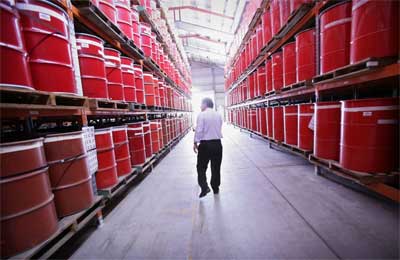
Nuclear waste கூடங்குளம் அணு உலையால் தமிழகம் மட்டுமின்றி, கேரளாவின் மூன்று மாவட்டங்களும் பாதிக்கப்பட உள்ளன. இலங்கை மற்றும் சில தெற்காசிய நாடுகள் வரை இதன் பாதிப்புகள் பரவ வாய்ப்புள்ளன. எனவே, முன்னெப்போதைக் காட்டிலும் விழிப்படைய வேண்டிய தருணமிது; அல்லது மறைந்த சூழலியலாளர் அசுரன் கூறியது போல் தமிழர்களே பிணமாகத் தயாராகுங்கள்! 

ரஷ்யாவிலிருந்து கூடங்குளம் அணு உலைக்கான எரிபொருள் விமானம் மூலம் திருவனந்தபுரம் வந்தது. அங்கிருந்து சாலை வழியே அது கூடங்குளம் அணு வளாகத்திற்கு கொண்டு செல்லப்பட்டது. திருவனந்தபுரத்திலிருந்து நாகர்கோவில் வழியாக கூடங்குளம் வரையான இந்தப் பாதை நெடுகே அடர்த்தியான கிராமங்கள் உள்ளன. இவ்வாறு செரிவான யுரேனியத்தை கொண்டு செல்லும் பொழுது கடைப்பிடிக்க வேண்டிய பாதுகாப்பு ஏற்பாடுகள் எதுவும் கடைப்பிடிக்கப்படவில்லை. வெளிநாடுகளில் சாலையின் இரு பக்கங்களிலும் 100 மீட்டர் தொலைவுக்கு மக்கள் அப்புறப்படுத்தப்பட்ட பிறகுதான் இந்த யுரேனியம் கொண்டு வரும் வாகனம் செல்லும். இது ஒரு பெரும் நடவடிக்கையாக மேற்கொள்ளப்படும். மக்கள் தொடர்ந்து இது குறித்து அறிவுறுத்தப்படுவார்கள். பொதுவாக குழந்தைகளை இன்னும் கூட அதிக தொலைவுக்கு கொண்டு செல்வது நடைமுறை. ஆனால் அப்படி எதுவும் இங்கு நடைபெறவில்லை. அந்த வாகனம் நாகர்கோவிலை கடக்கும்பொழுது, மக்கள் நடமாட்டம் அதிகமாக இருந்தது. இதனை ஒரு பெரிய வாகனம் என்று பலரும் வேடிக்கைதான் பார்த்தார்கள். எல்லோருக்கும் ஒரு நல்ல அளவு கதிர்வீச்சு "டோஸ்' இலவசமாய் கிடைத்ததுதான் மிச்சம்!

மேற்கண்ட இந்த பீப்பாய்களில் உள்ளது எல்லாம் எரிக்கப்பட்ட ஆற்றல் இழந்த யுரேனியம். அணு உலையிலிருந்து வெளியேறிய இவை அடுத்த 1 லட்சம் ஆண்டுகளுக்கு கதிர்வீச்சை வெளிப்படுத்திக் கொண்டேயிருக்கும். கூடங்குளத்திலிருந்து வெளியேறும் கழிவுகளை கையாளுவதற்கான திட்டம் உள்ளதா என்கிற கேள்வி அனைவர் மனதிலும் எழுந்துள்ளது. ஆனால் அந்தக் கழிவுகள் ரஷ்யா கொண்டு செல்லப்படும் என்கிறது அணு சக்தி துறை. நடக்குமா?

சுனாமியை விட கொடூரமான கதிர்வீச்சு

காசா நகர், உலகின் மிக அதிசயக் குடியிருப்பு. இது ஏதோ நிலவில் கட்டப்பட்ட ஓர் அபூர்வ குடியிருப்போ, தென் துருவத்தில் விஞ்ஞானிகளுக்காக கட்டப்பட்ட தொகுப்பு வீடுகளோ அல்ல. இவைதான் இன்று இந்தியாவில் அணு சக்தி துறை எவ்வாறு செயல்படுகிறது; அது எவ்வாறு பாதுகாப்பு நடைமுறைகளை கையாள்கிறது என்பதற்கு மிகச் சிறந்த எடுத்துக்காட்டு. ஆழிப்பேரலை தமிழகத்தை ஒரு கை பார்த்த பிறகு தங்களின் வாழ்வாதாரங்களை, வீடுகளை, சொத்துக்களை இழந்து நிர்கதியாய் நின்ற லட்சக்கணக்கானவர்களில் இடிந்தகரை கிராமத்து மக்களும் அடக்கம். அதன் பிறகு பல இடங்கள் மாறி இவர்கள் கடைசியாக "காசா' (Churches Auxillary for Social Action - CASa) என்கிற அமைப்பு கட்டிக் கொடுத்த தொகுப்பு வீடுகளில் குடியேறினார்கள். அங்கு சுமார் 450 வீடுகள் கட்டப்பட்டுள்ளன. இதில் சுமார் 2000 பேர் வசித்து வருகிறார்கள். இது, திருநெல்வேலி மாவட்ட இடிந்தகரை கிராமத்தை அடுத்து உள்ளது.

அணு உலையின் பயன்பாடுகளை அறியாத ஒன்று மறியா மக்கள், மகிழ்ச்சி பொங்க தங்கள் வாழ்வின் புதிய அத்தியாயத்தைத் தொடங்க இந்த வீடுகளில் குடியேறினர். இந்த வீடுகள் அணு உலையின் மய்ய குவியலிலிருந்து சுமார் 2 கிலோ மீட்டர் தூரத்திற்கும் குறைவான இடைவெளி யில் கட்டப்பட்டுள்ளன. பொதுவாக 5 கிலோ மீட்டர் வரையிலான பகுதியில் (Sterile Zone) மிகவும் அத்தியாவசியம் கருதி கட்டப்படும் கட்டடங்களுக்கு, அணு சக்தித் துறையின் அனுமதி பெற வேண்டும் என்பது நடைமுறை. இப்பொழுது கூடங்குளம் கிராமத்தில் மாடி வீடுகள் கட்டுவதற்குத் தடை விதிக்கப்பட்டுள்ளது. அப்படியான ஒரு சூழலில் இந்த திட்டத்திற்கு யார் அனுமதியளித்தனர் என்பது பெரும் கேள்வியாய் எழுந்து நிற்கிறது.

அங்குள்ள மக்களிடம் உரையாடிய போது, அவர்கள் அணு உலை இவ்வளவு அருகில் இருப்பதால் ஏற்படும் ஆபத்துகள் குறித்து அறிந்திருக்கவில்லை. பொதுவாக ஓர் அணு உலை இயங்கத் தொடங்கினால், அதிலிருந்து இடைவிடாது கழிவுகள் பல வழிகளில் வெளி யேறிய வண்ணம் இருக்கும். இந்த ஆண்டு (2009) இறுதியில் கூடங்குளத்தின் முதல் அணு உலை இயங்கத் தொடங்கும் பொழுது, அது ஒவ்வொரு நொடியிலும் 130,000,000,000,000 கதிர் வீச்சுத் துகள்களை காற்றில் வெளிப்படுத்திக் கொண்டே இருக்கும். இப்படி துகள்கள் வெளிப்படும் என்று நாம் கூறவில்லை; அய்.நா. வின் அணுக் கதிர் வீச்சை ஆய்வு செய்யும் அறிவியல் குழுவே (UNSCEAR – United Nations Scientific Committee on the Effects of Atomic Radiation) விரிவாகக் கூறுகிறது. இவற்றின் அடிப்படையில்தான் விலக்கல் பகுதி, பாதுகாப்பான பகுதி என்றெல்லாம் வரையறுக்கப்பட்டுள்ளது.

ஆனால் "காசா' நகரோ அணு உலையின் மய்யக் கட்டடத்திலிருந்து சுமார் 2 கிலோ மீட்டருக்கு உட்பட்டு உள்ளது. அப்படி என்றால் அங்கு வசிப்பவர்களுக்கு குறிப்பாக குழந்தைகளுக்கு இளம்பருவ புற்று நோய், ரத்தப் புற்றுநோய் என பல பாதிப்புகள் ஏற்பட வாய்ப்புள்ளன. கிராமங்களில் கூட Goiter & Autoimmune thyroiditis போன்ற நோய்கள் காணப்படுகின்றன. ஆழிப்பேரலைக்குப் பின் வாழ்வாதாரங்கள் இழந்தவர்களுக்கு இது போல பல இடங்களில் அரசாங்கத்தின் புரிந்துணர்வில் தொண்டு நிறுவனங்கள் தொகுப்பு வீடுகளை கட்டிக் கொடுத்துள்ளன. ஒவ்வொரு குடும்பமும் அந்த வீடுகள் வழங்கப்படுவதற்கு முன்பு ஓர் ஒப்பந்தத் தின் விதிகளுக்கு உட்பட்ட பின்னர்தான் வீடுகள் வழங் கப்பட்டுள்ளன. அதன் ஒரு நகல் இப்பொழுது இந்த கட்டுரையாளரிடம் உள்ளது. அதில் பல அதிர்ச்சி தரும் பிரிவுகள் உள்ளன. குழந்தை, கணவர், மனைவி, உறவுகள், சொத்துக்கள், தொழில் தளவாடங்கள் என பலவற்றையும் இழந்து புதிய வாழ்வைத் தொடங்க ஒரு நம்பிக்கையை, ஆதரவை ஏங்கி நிற்பவர்களிடம் அரசு எப்படி பேரம் பேசுகிறது என அடுத்து வரும் வரிகளில் நீங்கள் புரிந்து கொள்ளலாம்.

விதி 2 இவ்வாறு கூறுகிறது : “மேற்படி நிலத்தின் ஒப்படை செய்யப்பட்ட பகுதி, அரசுக்கு அவசியமான விரிவாக்கம் செய்யப்பட வேண்டியிருப்பதாக அரசாங்கம் கருதினாலும், மேற்படி ஒப்படை நிலத்தினை எந்த விதமான நஷ்ட ஈடும் தராமல் திரும்பப் பெற அரசுக்கு முழு உரிமை உண்டு.'' எப்படி உள்ளது கதை?! இந்த நிலத்தை விட்டு அவர்கள் செல்லும்பொழுது காலி செய்ய வேண்டுமாம். அடுத்த விதியைப் பாருங்கள்.

இது விதி 6 : “அரசாங்கத்திடமிருந்து முற்றிலும் இலவசமாகப் பெறப்படும் நிலம் மற்றும் புதிய வீடு ஆகியவை பெறப்பட்ட நபர் முன்னால் குடியிருந்த பகுதி நிலம் மற்றும் பகுதி நிலத்தை மீண்டும் உரிமை கொள்ளவோ உற்றார் உறவினர்களுக்கு தானாமாகக் கொடுக்கவோ தடை செய்யப்படும். மேற்படி திரும்பப் பெறப்படும் நிலத்தை அரசு நிலமாக கிராம மற்றும் வட்ட கணக்காக பராமரிக்கப்படும் தடையாணை பதிவேட்டில் பதிவு செய்ய வேண்டும்.''

அனைத்தையும் இழந்து நிற்பவர்களை இதை விட வயிற்றில் அடிக்க ஓர் அரசால் திட்டமிட முடியாது. அதைவிட பல இடங்களில் மீனவர்களிடம் அவர்களது கடற்சார் உரிமைகள் ரத்து செய்யும் ஒப்பந்தங்கள் செய்யப்பட்டுள்ளதாக செவிவழிச் செய்திகள் தெரிவிக்கின்றன. இது சார்ந்த ஓர் கள ஆய்வை மக்கள் இயக்கங்கள் மேற்கொள்ள வேண்டும். ஆழிப்பேரலையில் பாதிக்கப்பட்டவர்களுக்கு வழங்கப்பட்ட வீடுகளுக்காக அரசு மற்றும் தொண்டு நிறுவனங்கள் செய்துள்ள ஒப்பந்தங்கள், இந்திய கடற்கரை நெடுகிலும் சரி பார்க்கப்பட வேண்டும்.

"காசா' நகர மக்களின் உடல் நலம் தொடர்புடைய ஓர் ஆய்வை இப்பொழுது மேற்கொள்வது மிகவும் அவசியமானது. குடும்பங்களின் சமூக-பொருளாதார நிலை, பெண்களின் பேறுகால நோய் கள் குறித்த விவரங்கள், கடந்த பத்து ஆண்டுகளாக குழந்தை பிறப்பு தொடர்புடைய விவரங்கள், பிறந்த எடை, இறப்பு விகிதம் உட்பட, பால்வாடிகள் மற்றும் பள்ளிகளில் படிக்கும் குழந்தைகளுக்கான தனித்துவமான நோய் கூராய்வு, குழந்தைகளின் நிற்கும் உயரம், உட்கார்ந்திருக்கும் பொழுது, கை நீளம், கை சுற்றளவு என இது போல் பல அடிப்படைத் தரவுகளை நாம் இப்பொழுது தொகுக்கத் தொடங்கினால்தான் நாளை வரும் புதிய மாற்றங்களை ஒப்பிட இயலும். குழந்தைகளின் அறிவுக்கூர்மையை ஓவியம் வரைதல் முறையில் சோதிக்க வேண்டும். இப்படியான மருத்துவம் சார்ந்த தகவல்கள் நம்முடைய மக்கள் தொகை கணக்கெடுப்பைப் போல, ஒவ்வொரு மாவட்டத்திற்கான தகவல்களையும் அரசாங்கம் தன் விரல் நுனியில் வைத்திருக்க வேண்டாமா?


நண்பருக்கு இப்பக்கத்தைப் பரிந்துரைக்க...

படைப்பாளிகளின் கவனத்திற்கு...

கீற்று இணையதளத்திற்கு தங்களது படைப்புகளை அனுப்ப வேண்டிய மின்னஞ்சல் முகவரி: editor@keetru.com. வேறு எந்த இணைய தளத்திலோ, வலைப்பூக்களிலோ வெளிவராத படைப்புகளை மட்டுமே கீற்றிற்கு அனுப்பவும். அப்படியான படைப்புகள் மட்டுமே கீற்றில் வெளியிடப்படும்.

Keetru | Tamil | Tamilnadu | Literature | Cinema | Recipe | Joke
Submit Your Feedback
Name
Email
Message
 

  வாசகர் கருத்துக்கள்
gnairu
2009-07-25 03:44:00
gnairu@gmail.com

சிவகாசி பட்டாசு ஆலைகளில் பாதுகாப்பின்றி சாவதும் தொழிலாளர்களே போபால் அணுக்கதிர்வீச்சும் சாதாரண மக்கள் மற்றும் தொழிலாளர்களையே காவு கொண்டது. தோல் தொழிற்சாலை மற்றும் சாய ஆலைகளின் நாற்றத்திலே முடங்கிப் போனதும் சாதாரண மக்கள் மற்றும் தொழிலாளர்களே.உதாரணம் திண்டுக்கல் மற்றும் திருப்பூர்,பெருந்துரை. மாசு நீரால் முதலாளிகளின் வீடுகளில் மாசு கட்டுப்பாட்டுவாரிய பணியாளர் வீடுகளில் காந்தி கட்டுக்கட்டாக சிரிக்கிறார்.தேசியக் கொடிக்கு எற்பட்ட அவமானம் பற்றி பேசும் நீதிமன்றங்கள், விவசாய நிலங்களை நச்சுப்படுத்தும் நாசப்படுத்தும் தேசதுரோகத்தைப்பற்றி பேசுவதேயில்லை. கடந்த ஒரு மாதம் முன்பு பெருந்துரைக்கு அருகே உள்ள ஒரு கிராமத்திற்கு சாவு வீட்டில் கேள்விப்பட்ட செய்தி நெஞ்சு கொதிக்குது. சிப்காட் சாயப்பட்டறையால் நிலத்திற்குள் விடப்பட்ட மாசு நீரால் விவசாயம் பாதித்தது..இன்நிலையில் தோல் தொழிற்சாலை அங்கு வரவுள்ளது அறிந்து பரமசிவம் என்ற பசுமை ஆர்வலர் நீதிமன்றத்தில் தடை ஆணை கோரியுள்ளார். நீதிமன்றமோ தோல் தொழிற்சாலை விவகாரத்தில் பரமசிவம் நீதிமன்ற நேரத்தை வீணடித்து விட்டதாக கடிந்துள்ளது. நீதிம‌ன்ற‌த்தின் மீதான என் ம‌திப்பு குப்பைத்தொட்டிக்கு போய்விட்ட‌து. நீதிம‌ன்ற‌ம் கோட‌ ப‌சுமைக்கு எதிராக‌வும் ஆலை முத‌லாளிக‌ளுக்கு ஆத‌ர‌வாக‌வும் நிற்கிற‌து எனும்போது..... தொட‌ர்ந்து உண‌ர்வுக‌ளை எழுத‌ முடிய‌வில்லை.


Vijaykumar
2009-07-25 11:29:00
vijaykumar_1981@yahoo.com

One of the best exposes on the Indian Atomic Agencies Safety Regulations in India. What will be the future of the residents of CASA Nagar is a really troublesome questions before us today.

ராமசாமி
2009-07-27 11:03:00
ramuwrites@ymail.com

அனைவரும் வாசிக்கவேண்டிய அற்புதமான கட்டுரை, இதனை இங்குள்ள அரசியல் கட்சிகள் பெரிய பிரச்சனையாக கிளப்ப வேண்டும். இது மொத்த தென் தமிழகத்தையும் மிரட்டும் பிரச்சனை. ஆனால் இதனை எப்படி அனைத்து கட்சிகளும் ஒற்றுமையுடன் அமைதியாக ஆமோதிக்கின்றன என்பது புரியவில்லை.

வெங்கடேசன்
2009-07-27 11:10:00
venky67@gmail.com

அய்யோ இந்த கட்டுரை மனதில் பெரும் பீதியை கிளர்கிறது

bharathi
2009-07-28 10:06:00
barutam@gmail.com

this article gives lots of avernes .This is very important article,pls do something to reach the article to coman people.

யாமினி
2009-07-29 01:58:00
yamini.spk@yahoo.com

தமிழ் சமூகத்து வாசகர்களுக்கு இதனை எதுத்துச் செல்ல நாம் வேறு ஏதாவது செய்ய வேண்டும். தமிழக அரசியல் கட்சிகளுக்கு இந்த பிரச்சனையை விளங்க வைத்து காசா நகர் மக்களை நாம் காப்பாத்த வேண்டும். என்ன செய்வது என தெரியவெல்லை. கீற்று ஆசிரியர் குழு கொஞ்சம் யோசித்தால் நன்று.
தலித் முரசு இத்தகைய ஒரு கட்டுரையை வெளியிட்டதுக்க்கு பாராட்ட வயது இல்லை எனக்கு.

Kaandeeepan
2009-07-29 11:21:00
kntpn@ymail.com

நல்ல ஒரு கள் ஆய்வு. இன்னும் அந்த பகுதி மக்கள் பலரை பேட்டி எடுத்திருந்தால் சிறப்பாக பல தகவல்கள் கிட்டியிருக்கும். அணுக் குண்டும் அணு உலையும் வேறு வேறு அல்ல என்பதை எப்பொழுது தான் இத்தேசம் புரிந்துகொள்ளப்போகிறது.

Manikandhan
2009-07-29 11:25:00
manispaper@yahoo.co.in

Dalithmurasu vin pani miga sirappanadhu. Tholar Pandian avargal indha samoogam ariyadhu, maraivilirindhu pala panigal seydhu varugiraar.
Muthukrishnan in Indha katturay Then Tamilagathay sooludhulla miga perum aabathay echarikkay maniyaga olikirathu. Vada Tamilagathukku Kalpakkam irukiradhayum unarthugiradhu. nalla thoru perathi.

S.Vijayan
2009-08-02 08:42:00
srinivasanvijayan@yahoo.com

இவ்வளவு நாள் கழித்து இக்கட்டுரைக்கு பதில் எழுதுவதற்கு மன்னிக்கவும். இந்திய அமெரிக்க அணுசக்தி உடன்பாட்டை நான் எதிர்ப்பதற்கு காரணம், அது நம்மை ஏகாதிபத்தியத்திற்கு இளைய பங்காளியாக மாற்றுவதோடல்லாமல், நமது நாட்டை அமெரிக்க அணுஉலை தயாரிப்பு நிறுவனங்கள் சூறையாட அனுமதிப்பது மற்றும் நமது அணுசக்தி ஆராய்ச்சி ஆகியவற்றை முடக்குவது போன்ற பிரச்சனைகளே. ஆனால் கட்டுரையாளர் கொஞ்சம் கூட புரிந்து கொள்ளமல் அணுகுண்டு தயாரிப்பதற்கே இந்த உடன்பாடு என்கிறார். ஏகாதிபத்திய அமெரிக்கா தன்னைத் தவிர உலகில் யாரும் அணுகுண்டு வைத்திருக்கக் கூடாது என்று சட்டாம்பிள்ளைத்தனம் செய்து வரும் அரசியலைக்கூட புரிந்து கொள்ள முடியாமல் இந்த உடன்பாட்டின் மூலம் இந்தியா அணுகுண்டு தயாரிக்க போகிறது என்பது தவறான புரிதலே.

அடுத்து அணுஉலைகளைப்பற்றி அடிப்படை ஞானம் கூட இல்லாமல் அடுக்கடுக்காக உளறிக் கொட்டியிருப்பது. நமது நாட்டு திட்டப்படி நாம் மூன்று கட்ட அணு ஆராய்ச்சி மூலம் நமது நாட்டில் கொட்டிக்கிடக்கும் தோரியத்தை அணுஉலையில் பயன்படுத்தி மின்சாரம் தயாரிக்கும் முயற்சியே. இதில் முதல்கட்டம் அழுத்தப்பட்ட கணநீருலை, இரண்டாம் கட்டம் அதிவேக ஈனுலை மூன்றாம் கட்டம் வளர்ச்சியடைந்த கணநீருலை.

மாறாக பொதுவாக பயன்பாட்டில் இருக்கும் அணுஉலைகளில் பயன்படுத்தப்படும் யுரேனியத்தில் 2 சதவீதம் மட்டுமே சக்தியாக மாறுகிறது மீதமுள்ள 98 சதவிதம் கதிர்வீச்சுப் பொருளாகிறது. இதன் அரை ஆயுள்காலம் சில நூறு ஆண்டுகள். எனவே இதை பத்திரமாக பாதுகாத்து வைத்திருக்க வேண்டும். ஆனால் அழுத்தப்பட்ட கணநீருலையில் சக்தியாக மாறாமல் மீதமிருக்கும் யுரேனியத்தை அதிவேக ஈனுலையில் பயன்படுத்தமுடியும். அதை புளுட்டோனியம் என்ற எரிபொருளாக மாற்றமுடியும். (புளுட்டோனியம் அணுகுண்டு தயாரிப்பதற்கு பயன்படும் பொருள் என்பதும் ஒரு உண்மை) ஆகவேதான் சாதாரண அணுஉலையில் ஒரு கிலோ யுரேனியத்தை எரித்து கிடைக்கும் மின்சாரத்தை விட அதிவேக ஈனுலையில் 63 மடங்கு அதிக மின்சாரம் கிடைக்கும்.

இந்த தொழில்நுட்ப தகவல் ஒருபுறமிருக்கட்டும் இதுவரை நடந்த அணுஉலை விபத்துக்களை பற்றி அதீத பொய்த் தகவல்களை கொட்டி பீதியை கிளப்பும் முயற்சியையும் கட்டுரையாளர் செய்துள்ளார். உதாரணமாக செர்னோபிள் விபத்தில் இறந்தவர்களை லட்சக்கணக்கில் பட்டியலிடுகிறார். ஹிரோஷிமா, நாகசாகியில் அணுகுண்டு வீசியதில் இறந்து போனவர்கள் போன்று லட்சக்கணக்கில் பட்டியலிடுகிறார். இது முற்றிலும் தவறான தகவல்.

நமது நாட்டு அணுஉலைகளிலிருந்து கதிர்வீச்சு அபாயம் உள்ளதா என்றால் அதற்கான வாய்ப்பு இருக்கிறது என்று கூறலாம். அணுஉலையில் எரிந்தது போக மீதமுள்ள எரிபொருளே கதிர்வீச்சுத் தன்மையுள்ள பொருளாகும். அங்கிருந்து வெளியேறும் கழிவு நீரில் கதிர் வீச்சு பொருள் இருப்பது என்பது சாத்தியமில்லாதது. கதிர் வீச்சுப் பொருள் என்பது உயர் அணு எண் கொண்ட மூலப் பொருட்களில் மட்டுமே சாத்தியம் ஏனென்றால் அவற்றின் உட்கருவின் நிலைதன்மை குறைவு. மற்றபடி குறைவான அணு எண் கொண்ட மூலப் பொருட்கள் சிலவற்றில் மிகமிக குறைவான அளவே நிலைதன்மை குறைவான அய்சோடோப்புகள் உள்ளன. ஊதாரணத்திற்கு ரேடியோ கார்பன் என்னும் அய்சோடோப் கார்பன் மூலப் பொருளில் மில்லியனில் ஒரு பங்கு மட்டுமே நமது பூமியின் பௌதீக சூழ்நிலையில் சாத்தியம். எரிபொருளானது கேப்சூல் வடிவில் அணுஉலையில் இடப்படுகிறது. கழிவும் கேப்சூல் வடிவிலேயே இருக்கும் ஆனால் அது கடுமையான கதிர்வீச்சுத் தன்மை கொண்டதாக இருக்கும். இதை பத்திரமாக கையாளவேண்டும். இதில் தவறு நடக்க வாய்ப்புள்ளதா என்றால் ஆம் என்றே கூறமுடியும். இதற்கெல்லாம் தீர்வு என்பது அதிவேக ஈனுலையும் வளர்ச்சிடைந்த கணநீருலையுமே. இதற்கு வேட்டு வைப்பதுதான் இந்திய அமெரிக்க அணுசக்தி ஒப்பந்தம்

விஜயன்

Seeni
2009-08-04 09:50:00
seenivasa@ymail.com

காசா நகர் பகுதியில் உள்ள ஆபத்தான நிலை மிகவும் வருத்ததிற்குரியது. பாதுகாப்பு விதிகள் என மார்தட்டுபவர்கள் இப்படி இங்கு நடக்கும் மீறல்கள் பற்றி வாய் திறப்பதில்லை. விஜயன் ஏன் காசா நகர் பற்றி பேச மறுக்கிறார்

இளங்கோ
2009-08-04 10:04:00
ilangovan_ae@gmail.com

இத்தனை கதிர்விச்சுடைய தொழில் நுட்பம் இன்று நம் நாட்டுக்கு தேவையா. செர்நோபில், ஹீரோசிமா என பல ஆயிரம் உயிர்களை விழுங்கிய கோரம் இங்கும் நடைபெற வேண்டுமா?
கடந்த 25 ஆண்டுகளாக நான் பனிபிரியும் மின்சார வாரியத்தில் எந்த மின்சார உற்பத்தி நிலையமும் புதிதாக அமைக்கப் படவில்லை, மாறாக ஏற்கனவே இருந்த பல நிலையங்களை பராமரிக்காமல் விட்டதில் தான் இன்றைய பற்றாக்குரையே உருவானது.
அதைவிட இன்று நடக்கும் மின்சார திருட்டு, நம் விநுயோக முறையில் உள்ள கோளாறுகள், தரமற்ற 40 ஆண்டுகளுக்கு முந்தைய கட்டுமானம் ஆகியவற்றை மாற்றியமைத்தாலே பல ஆயிரம் வாட் மின்சாரம் மிச்சம் பிடிக்கலாம்

முருகன்
2009-08-05 10:55:00
murugan-tgm@yahoo.co.in

எப்படியிருப்பினும் வேண்டாம் இந்த மக்களுக்கு எதிரான தொழில்நுட்பம். 6 மாவட்ட மக்களின் வாழ்வை கேள்விக்கு உட்படுத்தும் திட்டம் வேண்டவேவேண்டாம் நமக்கு

elagnairu
2009-08-07 02:59:00
gnairu@gmail.com

கல்பாக்கம் அணுக் கதிர்வீச்சு அபாயம் பற்றிய செய்திகள் உண்மையல்ல - டாக்டர் பல்தேவ் ராஜ்
வியாழன், 6 ஆகஸ்ட் 2009( 19:36 IST )


FILEசென்னையை அடுத்த கல்பாக்கத்தில் இயங்கிவரும் அணு சக்தி மையத்திலிருந்து அளவுக்கு அதிகமாக அணுக் கதிர் வீச்சு உள்ளதாக ஊடகங்கள் சமீப காலங்களாக கொடுத்துவரும் செய்திகள் அடிப்படையவற்றவை, உண்மைக்கு புறம்பானவை என்று இந்திரா காந்தி அணு ஆராய்ச்சி மைய இயக்குனர் டாக்டர் பல்தேவ் ராஜ் கூறியுள்ளார்.

இது குறித்து அவர் வெளியிட்டுள்ள செய்திக் குறிப்பில் கூறியிருப்பது வருமாறு :

எந்த ஒரு அணுக் கழிவு வெளியேற்ற ஏற்பாடுகளும் அணு சக்தி கட்டுப்பாட்டு வாரியத்தின் கண்டிப்பான கட்டுப்பாடுகளால் கண்காணிக்கப்பட்டு வருகின்றன. இதனால் அளவுக்கு அதிகமான அணுக் கழிவு ஏற்படும் எந்த ஒரு அணு உலை நிர்மாணமும் உடனடியாக அதன் நடவடிக்கைகளை நிறுத்தவேண்டும்.

அணு உலை இயங்கிக் கொண்டிருக்கும் போது அதனைச் சுற்றி 30 கி.மீ. பரப்பளவிற்கு காற்று, நீர், மண், தாவரங்கள், பால், தானியங்கள், இறைச்சி, மீன் உள்ளிட்ட அனைத்திலும் அணுக் கதிர்வீச்சின் தாக்கம் என்ன என்பதை சுற்றுச்சூழல் ஆய்வு பரிசோதனை நிலையங்கள் சீராக ஆய்வு செய்து வருகிறன. இந்த நிலையங்கள் அனைத்தும் அணு உலை செயல்படத் துவங்குவதற்கு முன்னர் நிறுவப்பட்டவை என்பது குறிப்பிடத்தக்கது.


FILEகல்பாக்கத்தில் உலகத் தரம் வாய்ந்த சுற்றுச்சுழல் கண்காணிப்பு அமைப்பு உள்ளது. இது 1975ஆம் ஆண்டிலிருந்தே திறம்பட இயங்கி வருகிறது. இதனால் அணுக் கதிர்வீச்சில் வழக்கத்துக்கு மாறான அதிகரிப்பு ஏதுமில்லை.

கல்பாக்க அணு உலைகளுக்கு 8 கி.மீ. பரப்பில் மக்கள் வாழ்ந்து வருகின்றனர். கடந்த 40 ஆண்டுகளாக இவர்கள் இயல்பான வாழ்வையே வாழ்ந்து வருகின்றனர்.

இந்தியாவில் உள்ள பிற அணுசக்தி நிலையங்களிலிருந்தும் அணுக்கழிவுகள் கல்ப்பாக்கத்திற்கு கொண்டு வரப்பட்டு அது கடலில் கரைக்கப்படுவதாக வதந்திகள் பரப்பப்பட்டு வருகின்றன. ஒவ்வொரு அணு சக்தி நிலையங்களிலும் முழு வீச்சுடனான அணுக் கழிவு நிர்வாக வசதிகள் உள்ளன. அதாவது அணு உலை இயக்கத்திலிருக்கும் போதும், இயக்கத்தை நிறுத்திய பின்னரும் கூட அணுக் கழிவுகள் குறித்த சுற்றுச் சூழல் பாதுகாப்பு ஏற்பாடுகள் சிறப்பாகவே உள்ளன.

புவி வெப்பமயமாதல் என்ற ஒன்று உலகை தட்டி எழுப்பியுள்ளது. இதனால் சுற்றுச்சூழல் பாதுகாப்பான அணு சக்தியின் தேவை முன்பைவிட இப்போது அதிகமாகியுள்ளது. அணுசக்தித் துறை விஞ்ஞானிகளும், பொறியியல் வல்லுனர்களும் இந்தியாவின் எரிசக்தி பாதுகாப்பைத் தக்கவைக்க தங்களை அர்பணித்து வருகின்றனர். பொதுமக்கள் மீதான இவர்களது பொறுப்புணர்வுகள் பற்றி அவர்கள் நன்றாகவே அறிந்துள்ளனர். சுற்றுச்சூழல் பாதுகாப்பு, அணுக் கதிர்வீச்சு ஆகியவற்றின் மீது இவர்கள் சிறப்பு அக்கறை காட்டி வருகின்றனர்.

எனவே இப்படிப்பட்ட செய்திகள் குறித்து பொதுமக்கள் அச்சப்படத் தேவையில்லை என்று டாக்டர் பல்தேவ் ராஜ் அந்த செய்திக் குறிப்பில் தெரிவித்துள்ளார். ithu inru yahoo.com il vantha seythi paarvaikkaaka....itharku pathil kodungkal vilakkaththirkkaaka

Venky
2009-08-08 07:33:00
venky67@gmail.com

People like டாக்டர் பல்தேவ் ராஜ் are there for giving statements like this. And the Govt is just paying for that. These Dr.s and other people are enjoying lavish life in Govts huge Defence budgets. For more truth read Nithys articles in Tehelka and Sp Udayakumars article A Radio Active Tsunami on kalpakkam

BArutham
2009-08-08 07:35:00
barutam@gmail.com

http://www.thesouthasian.org/archives/2005/a_radioactive_tsunami.html
come to this article and see the whole article

A Radioactive Tsunami?
Many Serious Questions, One Devious Answer: S. P. Udayakumar wrote about the effect of the Tsunami of the Nuclear Power facilities in India pointing out how they were not as safe as they were made out to be and that there were major holes in the stories presented by the Indian government. In the first part, he presented a mock interview with the administration.

Ever since the tsunami killer waves pounded the coast of Tamil Nadu on December 26, 2004, the nuclear-literate in India have been very much worried about the radioactive repercussions in the Madras Atomic Power Station (MAPS) at Kalpakkam, near Chennai. The “Ordinary Citizens” of India have many questions, concerns, anxieties, worries and fears but the “Advanced/Atomic Citizens” of India keep repeating the same answer. The conversation may go like this:

[1] OC: What happened when the tsunami waves hit the Atomic Energy Township of Madras Atomic Power Station (MAPS) at Kalpakkam, near Chennai?
AC: Nothing happened. [In fact, some 65 to 80 people got killed, more than thousand houses and apartments damaged in varying degrees, many walls and buildings collapsed leaving a trail of debris all over the campus, the heavy protection walls on the seashore simply disappeared without a trace, Sadras East area was in shambles, tons of sea sand dumped on the roads, and many trees wilted.]

[2] OC: What happened when the same ferocious waves pounded the MAPS nuclear reactor site a few kilometers down the same line?
AC: Nothing happened.

[3] OC: Were the nuclear waste storage plant and the reprocessing plant affected?
AC: Nothing happened.

[4] OC: I hear that the Kalpakkam Nuclear Power Station Casual Contract Laborers Federation leader is claiming that some 200 to 300 contract-laborers are missing after the tsunami?
AC: Nothing happened.

[5] OC: The Central Industrial Security Force (CISF) personnel who were supposed to safeguard the MAPS workers and secure the installations themselves lost a few people in their barracks. Do you think they functioned effectively in the wake of the disaster?
AC: Nothing happened.

[6] OC: When the waves hit MAPS and the township, you momentarily lost all contact with the government officials and the rest of the world as the telephone exchange was flooded. Some workers with mobile connections of private phone companies alone could call outside; is that right?
AC: Nothing happened.

[7] OC: On December 26, 2004, did MAPS look like a desolate place with no power, no phones, no water, no security arrangement, and no hindrance whatsoever for outsiders to enter any part of the plant?
AC: Nothing happened.

[8] OC: Were the foundation pits for the Prototype Fast Breeder Reactors (PFBR) inundated by the tsunami waters?
AC: Nothing happened.

[9] OC: Hundreds of construction workers are said to have been saved by a crane operator who had seen the rising seas and you had no mechanism whatsoever to alert your own workers or to safeguard them, right?
AC: Nothing happened.

[10] OC: What would happen if a future tsunami suddenly inundates the PFBR plants that will have liquid sodium as coolant?
AC Nothing will happen.

[11] OC: Besides some three thousand regular employees, you still employ more than thousand “glow slaves” (intentionally irradiated unwilling nuclear laborers) to keep the “undocumented radiation release” under cover, right?
AC: Nothing happened.

[12] OC: Why are your own workers approaching the Chennai High Court complaining that there is a serious lack of qualified technical personnel at critical positions of the MAPS reactors and alleging that such a trend compromises the safety of the plant and the workers and the general public?
AC: Nothing happened.

[13] OC: Why did the Prime Minister of India ask the Department of Atomic Energy (DAE) chief Mr. Anil Kakodkar to stay put at Kalpakkam after the tsunami?
AC: Nothing happened.

[14] OC: Mr. Kakodkar spent so much time at the reactor sites but never visited the Township even to console his own workers and their families. Why this anti-people attitude?
AC: Nothing happened.

[15] OC: Why are people of Kalpakkam area still hush-hushing about a possible radiation leak?
AC: Nothing happened.

[16] OC: Why can’t you let a group of independent experts inspect the MAPS plants with radiation detection equipment?
AC: Nothing happened.

[17] OC: Why don’t you and the Government of India want the UN Secretary General visit Tamil Nadu? Is it because he and other aid agencies would catch the air of Kalpakkam developments?
AC: Nothing happened.

[18] OC: There are reports that some 15,000 families were removed from Kalpakkam on December 27, 2004 as a precautionary measure and the Indian Army was deployed to “protect” the plants from outside intrusions. Are they true?
AC: Nothing happened.

[19] OC: Why can’t you have a modicum of TAP (transparency, accountability and people’s participation) in your functioning and allay the legitimate fears of the Indian public in the wake of the tsunami disaster?
AC: Nothing happened.

[20] OC: How should we feel about the long-term threats of radioactive leaks?
AC: Nothing happened.

[21] OC: Why can’t we have an open and credible investigation of the precise extent of the consequences of the tsunami disaster?
AC: Nothing happened.
SACCER (South Asian Community Center for Education and Research)
promoting life-long, life-wide and life-deep education
S.P. Udayakumar, 42/27 Esankai Mani Veethy, Parakkai Road Jn,
Nagercoil 629 002, Tamil Nadu, India
Ph: 91-4652-240657/253295
Email: drspudayakumar@yahoo.com, spuk@vsnl.net

Related Links
Borderless and Nuclear Free South Asia Convention
Tsunami Victims Demanding Accountability Beaten by Police
The Tsunami Disaster: A Perspective from Koodankulam
The India-Pakistan Conflict

Bharutam
2009-08-08 07:36:00
barutam@gmail.com

This is the link of the orginal archive
http://www.thesouthasian.org/archives/2004/the_tsunami_disaster_a_perspec.html

The Tsunami Disaster: A Perspective from Koodankulam
S. P. Udayakumar writes with pain and anguish at the non-performance of the government and the bureaucracy.

I write this from the southern tip of India, a region that has always been known for its pristine beauty and tranquillity. No major wars have been fought on this soil, no disaster has stuck, nothing untoward has happened on a massive scale, at least to my knowledge, in the past five decades.


All this peaceful record ended so abruptly on December 26, 2004 when a draconian tsunami lashed out and wrecked thousands of lives and families. The Kanyakumarians who have always looked up to the sea as a source of food and nurturance, spirituality and sacredness, enjoyment and entertainment, had a rude awakening on the black Sunday. With the beautiful frontyard to our peninsular home retracting several hundred feet for miles together, people were intrigued about this wonderful sight of hitherto unseen under-water territory. There were poor people who were eagerly collecting the stranded fish and crab for a free meal. There were Christmas holidayers, internal and international tourists, religious pilgrims taking the ceremonial dip in the sea, and innocent bystanders – all had a rude awakening when the cunningly crouched sea leaped forth like a ferocious predator. Whole fishing villages have disappeared; farmlands have been inundated; people have lost friends, neighbors, and acquaintances; the loss seems universal; there is a debilitating sense of sadness and sorrow in everybody’s heart and soul. The whole dynamics of life stands altered.


The union government, state government, local government and all other government departments have let us down so callously. Although there was a golden gap of three hours between the underwater earthquake off of Sumatra and the tsunami attack on our coast, nobody gave an inkling of what was coming our way. Had there been at least a vague warning, it could have alerted and hence saved thousands of people.


Displaying utter ignorance, our Chief Minister J. Jayalalitha, the chief functionary of the state government, went on repeating on TV on the day of the disaster that there was no further danger from tidal waves and even exhorted the affected people to stay put. It does make one wonder what the meterological department was doing during those hours of crisis and if there was any kind of coordination between the various departments and people in power.


It is also equally disturbing to see our national President, A. P. J. Abdul Kalam, the notorious father of our nuclear bomb, calling for a tsunami warning system along the entire Indian coastline after the tragedy has swallowed up so many thousands of innocent lives. How would this high-tech hawkish guru who dreams of America-like India explain why a highly- and densely-populated country with 7,000-km coastline never even bothered about joining the Pacific tsunami warning system?


The answer is obvious. The Indian elites have always shown interest in those “development” projects and defence deals where they could steal huge amounts of public money and have largely ignored the small steps that could make the life of “ordinary citizens” safe and secure. The Indian establishment and its head priests have been preoccupied with nuclear bombs, long-distance missiles, mission to the Moon, and a permanent seat at the UN Security Council. A simple safety procedure such as joining the international tsunami warning system to save the ordinary Indians’ lives from an impending disaster is too small a thing for them to worry about.


This tsunami attack is yet another proof of our pathetic national record of emergency preparedness. Even after five days of the tsunami assault, there have been bloated human bodies and animal caracasses rotting on the open beaches and spreading diseases. Most victims who are languishing in the temporary shelters with intimate losses and incredible traumas have been complaining about the lackadaisical relief work of the government authorities. Politicians blame each other, ministers blame top bureaucrats, top bureaucrats blame the chotawallahs (lower officials); and all this betray our uncoordinated and utterly inefficient administration of the country. On the day of the disaster, this writer did not spot even one police officer or fire service personnel or a government official on the roads. It was the unequipped and empty-handed civilians who were helping each other.


The officials of the Kalpakkam nuclear power station (that is located near Chennai) claimed first that they had switched off their only functioning reactor the moment they had heard about the earthquake near Indonesia. When people started asking uncomfortable questions about their not intimating this information to other government agencies, the Kalpakkam authorities modified their report saying that the reactor shut down “instantaneously” after sea water entered the plant premises. Some 65 people including 10 nuclear plant scientists are reported dead in the tsunami tragedy. The foundations dug for the upcoming Prototype Fast Breeder Reactor (PFBR) plants are flooded and some construction workers killed.


If the Department of Atomic Energy (DAE) officials are unable to protect their own men and machines from a natural disaster, how on the Earth are they going to protect us, evacuate us, rehabilitate us and safeguard our safety and security from possible attacks and accidents on a nuclear power plant? There have been persistent rumors about possible radiation leaks from the Kalpakkam plant, but the DAE and senior government officials give themselves “completely safe” certificate. If that is really so, why can’t we have any independent inspection and verification by a group of independent scientists and Indian citizens? These questions are very troubling.


The DAE and the Indian government are building another nuclear power plant at Koodankulam (near the southernmost tip of India) that also sits on the Bay of Bengal badly affected by the tsunami. Neighboring coastal villages such as Idinthakarai, Kooduthazhai, Koothankuzhi, Uvari, Koottapuli have all been damaged by the tidal waves. If the Koodankulam nuclear power site is this vulnerable, should we go ahead with the construction of this mega-nuclear site? “Of course,” answers the DAE. Like all the nuclear departments around the world would do, the Indian nukedom also claims that they can take care of all these eventualities.


The good news, however, is that the “ordinary citizens” of our area know for themselves now our establishment’s safety awareness and emergency preparedness. And they may be asking some serious questions about the “development” projects that the Indian elites are executing (no pun intended): Colachel commercial harbor (instead of the fishing harbor that our fishing community has been demanding); Koodankulam nuclear power plant built with Russian VVER technology at Koodankulam; Nuclear Fuel Complex at Palaya Kayal; Sethusamudram Canal Project (that would dig a short-cut sea route through the Palk Strait between India and Sri Lanka (and damage the ecological balance of the area). All in the name of development! The development of our elites! Naturally, our “ordinary” citizens’ cry for appropriate technology and sustainable development would sound unpatriotic and even anti-national.

Maria Luis
2009-08-10 09:16:00
marailu@ymail.com

Big Goals, Bigger Boasts, and Biggest Hoax
Quite contrary to all the fanfare and high-pitched public relations exercises by the DAE, it is one of the most under-performing sectors in India. Just to illustrate, in 1954 a grand three stage program for development of nuclear power was announced. It had at that time been projected that there would be 8000 MW of nuclear power in the country by 1980. As the years progressed, these predictions were to increase. By 1962, the prediction was that nuclear energy would generate 20-25,000 MW by 1987 and by 1969 the AEC predicted that by 2000 there would be 43,500 MW of nuclear generating capacity. All of this was before a single unit of nuclear electricity was produced in the country.
As against these promises, the installed capacity in 1979-80 stood at about 600 MW, about 950 MW in 1987 and 2720 MW in 2000. The only explanation that the AEC has offered for its failures has been to blame the cessation of foreign cooperation following the 1974 nuclear weapons test. At the same time, these sanctions also provided the DAE with an opportunity: each development, no matter how small or routine, could be portrayed as a heroic success, achieved in the face of staunch opposition by other countries and impossible odds, while any failures could be passed off as a result of the determination of other countries to block and prevent India achieving technological advancement. Such continuous failures were, however, not because of any paucity of resources. All governments have favoured nuclear energy and the DAE’s budgets have always been high except for a brief period in the early 90s.
Currently 17 nuclear power reactors produce 4,120 MW (2.9% of total installed base - as against the current installed base of renewable energy being 13,242 MW which is 7.7% of total installed base with the southern state of Tamil Nadu contributing nearly a third of it, largely through wind power). The DAE is planning to set up 20 units of indigenous 700 MW of pressurised heavy water (PHWR) type reactors. The DAE hopes to be overseeing a $100 billion investment in nuclear energy in the coming decade and importing some 40 light water reactors that will help India stabilize its demand for power by 2020.
According to Dr. Anil Kakodkar, the DAE chief, India’s Pressurised Heavy Water Reactors (PHWRs), which use natural uranium as fuel, “are world class.” He claims further: “Our Fast Breeder Reactors (FBRs) are globally advanced. Our Advanced Heavy Water Reactor (AHWR) is globally unique.” He contends that the FBRs would use plutonium-uranium oxide as fuel and the AHWR would have thorium as fuel (The Hindu, August 3, 2003). Even as the DAE expects to “overcome all the problems” by 2012-2013 relating to the shortage of natural uranium that has led to a drop in the capacity factor of the reactors, they are making grandiose claims on thorium as nuclear fuel. The DAE chief claims: "In technology terms, we have mastered thorium technology to get energy from it. We have small unit where we use U233 fuel extracted from thorium. We have mastered all aspects of thorium-based energy. It is on a small scale, we have to expand it."
The DAE has claimed that the PWR, built by the Bhabha Atomic Research Centre (BARC), forms the powerhouse of INS Arihant, India’s indigenously built nuclear-powered submarine. It was a joint endeavour of the DAE, the Navy and the Defence Research and Development Organisation (DRDO). But the Director of BARC has contended that “we have used the Russians as consultants” (The Hindu, August 3, 2009). The DAE chief claims "We have the technical expertise and capability to build nuclear-powered aircraft carriers and warships of global standards." He declares, "When the government asks us to build such ships, we will do it... we are confident that we can build even supply propelling energy for aircraft carriers."
With the clinching of the nuclear deal with the United States and consequent waiver by the 45-member Nuclear Suppliers Group (NSG) on September 6, 2008, India is now projected to generate an additional 25,000 MW of nuclear power by 2020, bringing total estimated nuclear power generation to 45,000 MW. Two sites --in Gujarat (Mithibor in Bhavnagar district) and Andhra Pradesh-- reportedly stand “earmarked” for the US companies such as General Electric-Hitachi and Westinghouse in the wake of the July 2009 visit by Hillary Clinton. A French nuclear company Areva has been setting up plants at Jaitapur in Ratnagiri district of Maharashtra, and at least four additional reactors are in the pipeline from Russia for Koodankulam. This is an extremely ambitious and massive expansion program.
Similar large-scale expansion plans are on in the Uranium mining sector also. The DAE claims that the capacity of the reactors would go up because the capacity of the mills at Jaduguda in Jharkhand that convert natural uranium into yellow cake has been augmented. Another mill at Turamdih in Jharkhand has been commissioned and its production of yellow cake is also going up. The expansion program at Jaduguda is said to be complete and the Turamdih expansion will be completed in 2010. The uranium mine and the mill constructed at Tummlapalle in Kadapa district in Andhra Pradesh is expected to go on stream in 2013 (The Hindu, August 3, 2009). Exploration mining is taking place at Gogi in Karnataka, and at Domiasiat in Meghalaya (Indian Express, August 10, 2009). Despite all these big talks and bigger boasts, the DAE has been a money-guzzling, resource-wasting, waste-producing, and poverty-inducing national hoax

maria Lui
2009-08-10 09:17:00
marialu@ymail.com

The Nuclear Nirvana
However, nuclear energy is being bandied about as the single panacea for most of India’s problems. It is projected as THE solution for the nation’s lack of energy security, military security and the over all national security.
As per this colonial mode of thinking, “the quality of life greatly depends on amount of energy spent.” In the name of “energy security,” the scarce national resources are being squandered. In a country where hundreds of millions of people do not have food security, water security, sanitation security, other basic needs of life or human dignity, the talk of “energy security” amounts to be a cruel joke.
The country is getting ready for joint ventures in nuclear energy sector where private companies, both Indian and foreign, could join hands with the Nuclear Power Corporation of India, Ltd. (NPCIL). Secretive efforts are on to rewrite the Indian Atomic Energy Act 1962 in order to facilitate private participation in nuclear activities. This combination of profiteering capitalists, secretive government and careerist scientists and engineers will not auger well for our country.
When we should be focussing on renewable sources of energy, planning micro generation of power, and emphasizing demand-based local generation through appropriate technology with popular participation, we are being forced to accept supply-based centralized power generation with dangerous advanced technology and absolute elite control. Squandering the chance to focus on sustainable development and appropriate technology and become a natural world leader in this day and age of carbon emissions, ozone depletion, global warming, climate change, sea-level rise, sea erosion, refugees, social conflicts and so forth, our hopelessly colonized leaders are taking us down the same old path of imperial politics, racist practices, colonial development model, and reckless abuse of Mother Earth. They are propounding the wrong option of nuclear energy as the right answer.
Worst of all, nuclear energy has a strong technical linkage with and thereby provides a strong push for nuclear weaponization program and India itself is a graphic illustration. We are being pushed into a nuclear arms race with both Pakistan and China that renders us all more impoverished, vulnerable and unsafe.
Equally dangerous is the trend of the nuclear estate gaining more prominence and power in the socioeconomic-political decision-making processes and structures. Their gaining an upper hand in the political circles with their autocratic values and tendencies is deleterious to the democratic fabric of our country. Indian political and economic leaders as much as our elites think and act like “economic hit men” and accommodate the needs, interests and diktats of foreign governments, corporations and agencies. The desperate pleas and cries of the Indian citizens scarcely fall on their deaf ears. They readily compromise our national policies and principles to please their Northern masters.
With their needs and interests grossly overlooked and even undermined by the elites, the Indian citizens are forced to fend for themselves. The impact of all the Uranium mining, nuclear power plants, waste dumping and bomb building on our natural resources such as the sea, fish catch, the land, ground water, food production, farm animals and so on are never considered or calculated. The short-term and long-term impact of these activities on our people’s safety, security and health, and the heavy price that our children and grandchildren may have to pay for our consumption of electricity, and the expenses that our future governments may have to incur to deal with these and other issues and the safe-keep of nuclear waste and decommissioning of plants are conveniently overlooked. Important questions such as how many people will be displaced, how many people will lose their traditional livelihood activities and what other people-cost these nuclear activities may have are never asked or acknowledged. Nobody talks about the huge quantity of radioactive waste that we will be left with. The authorities do not even own up the dangers of terrorist attacks, war-time assaults on the nuclear installations.
Given this situation, there is an immediate and urgent need to mobilise public opinion against the nuclearization of the country and build up resistance on a pan-national scale. It becomes quite crucial to coordinate the ongoing and forthcoming local struggles and they must be backed up with a vigorous national campaign.
Kanyakumari Convention
As a significant step toward that direction, a National Convention on “The Politics of Nuclear Energy and Resistance” was held in Kanyakumari (near the upcoming nuclear power plant at Koodankulam in Tamil Nadu) on June 4-6, 2009. The Convention resolved, inter alia:
In the context of the unprecedented threats facing the world due to global warming and the rapid depletion of conventional energy sources, the nuclear establishment is most opportunistically pushing nuclear energy as a climate-friendly energy source. However, all the activities associated with nuclear power generation - the mining and processing of uranium, the building of nuclear power stations involving huge amounts of cement and steel, the long construction process, the decommissioning of plants and the handling of radioactive waste - are highly unsafe and expensive, and cause enormous climate-changing pollution. Nuclear energy is not cheap, safe, clean or sustainable. It also does not offer a solution to our energy problems.
It also further observed:
India’s nuclear program has been and continues to be vigorously resisted by the people of this country whose struggles in the past have stopped two nuclear power stations – Peringome and Kothamangalam – from coming up. [Similarly, huge public protests by the people of Nalgonda district in Andhra Pradesh stalled a proposed nuclear power plant in 1988 and a proposed Uranium mining project since 2003.] This convention declares total support and solidarity to the struggles of people resisting the Koodankulam Nuclear Power Plant in Tirunelveli district, Tamil Nadu. It also declares support and solidarity to people in all other parts of the country such as Jadugoda, Meghalaya, Haripur and Jaitapur who are struggling against uranium mining and nuclear power plants.

Kandeepan
2009-08-10 09:20:00
kntpn@ymail.com

ஆதாரங்கள் அடுக்கடுக்காய் ஆங்கிலத்தில் நமக்கு வாசிக்க கிடைகிறது மிகவும் வியப்பாக உள்ளது. நாம் வளர்ச்சி என பீத்தாமல் கொஞ்சம் மக்கள் மயப்பட்ட தொழில்நுட்பத்தை, மக்கள் மயப்பட்ட கொள்கைகளை இனியேனும் சிந்திக்க விவாதிக்க ஆரம்பிக்காவிடால் . நாடு சுடுகாடுதான்

Willaim Stanley
2009-08-12 10:18:00
wstan@gmail.com

I have been part of a team who had visited Idinjakarai Village (Koodankulam), I write this with anger and agony that a Civil Society like CASA fell in the game of Government Tsunami rehabilitation plan. Whether sphere standards were taken into account before building the houses? The agencies supported this housing programme should be made responsible incase of any danger to the people living in the new settlement that was built by CASA. Either the nuclear reactor has to be shifted or the people have to be taken care of from the radiation. The people were impacted by direct tsunami and now the nuclear reactors…..

I have seen hopelessness in the face of the people for they have been struggling against this nuclear plant proposal from 1986, the eminent danger is in and the Government is planning to install more reactors, rougly 28 villages will be affected both in Tamil Nadu and Kerala, it is test of faith and commitment towards sustainable development.

The people living in this close vicinity to the nuclear reactors will be physically exposed to radiations. Are they are going to be part of a lab test on how the victims are going to face this new evil – the nuclear reactor.


Tamil Magazines
on keetru.com


www.puthuvisai.com

www.dalithumurasu.com

www.vizhippunarvu.keetru.com

www.puratchiperiyarmuzhakkam.com

http://maatrukaruthu.keetru.com

www.kavithaasaran.keetru.com

www.anangu.keetru.com

www.ani.keetru.com

www.penniyam.keetru.com

www.dyfi.keetru.com

www.thamizharonline.com

www.puthakam.keetru.com

www.kanavu.keetru.com

www.sancharam.keetru.com

http://semmalar.keetru.com/

Manmozhi

www.neythal.keetru.com

http://thakkai.keetru.com/

http://thamizhdesam.keetru.com/

மேலும்...

About Us | Site Map | Terms & Conditions | Donate us | Advertise Us | Feedback | Contact Us
All Rights Reserved. Copyrights Keetru.com
Hosted & Maintained by india intellect
Best viewed in Windows 2000/XP